
Several established cider businesses in Somerset, in south-west England, have warned that rising costs could force the industry to reduce its reliance on British-grown apples, with higher alcohol duty, energy bills and packaging expenses making it harder to remain profitable.
Tax and energy costs mount
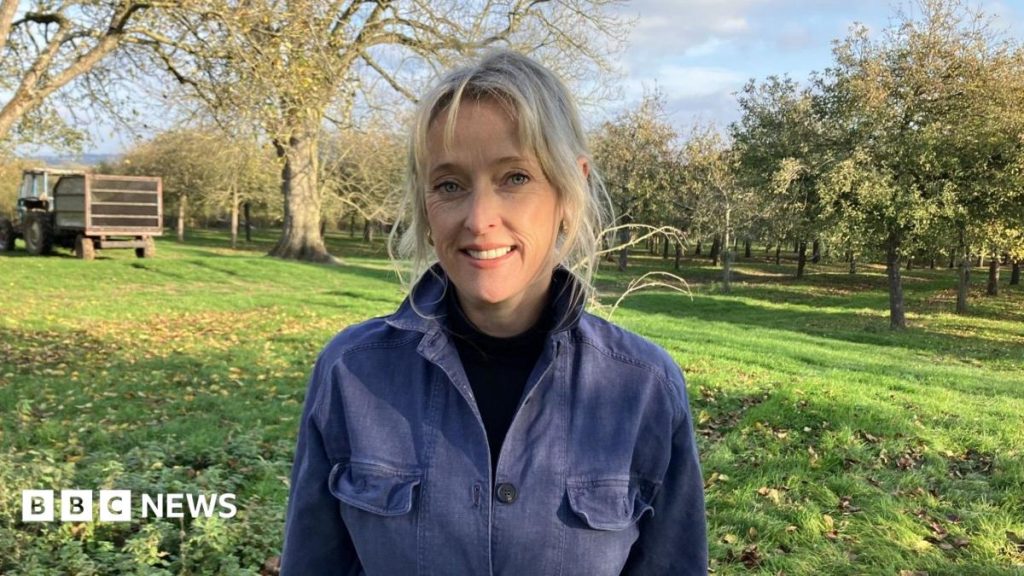
At Burrow Hill farm near Martock, director Matilda Temperley said it would be a tragedy to stop using the farm’s own apples because of climbing costs. The farm has grown apples for 300 years. Temperley said recent increases had added to pressures already facing the industry. Its traditional cider, which has an alcohol content of 6%, is taxed at a higher rate than mass-produced cider, she said. She said that by February 2027, the business will have seen a 61% increase in tax on its standard 50cl bottles.
Temperley welcomed the rise in Small Producer Relief, which provides lower alcohol duty rates for some smaller and medium-sized producers, but said other mounting costs outweighed it. She pointed to large energy costs and what she described as an almost 90% increase in tax costs since 2020.
She warned that big cider makers looking to cut costs would have only one option: stop using British apples. That would be a real tragedy, she said, because cider should be made from the country’s orchards.
The government said it was supporting the sector by increasing the value of Small Producer Relief.
Isaac Stell, a financial analyst at Wealth Club in Bristol, said the government had pledged not to raise the main rates of income tax, national insurance or VAT for working people, leaving the budget to seek revenue elsewhere. Producers also faced higher employer National Insurance contributions and minimum wages. He expected some of those costs to pass through pubs, clubs and restaurants to consumers.
Producers split on government support
The Showerings family, known for producing Babycham, has been making drinks in Shepton Mallet for more than 14 generations. Managing director Matthew Showering said the business had grown substantially over the past decade, from 80 employees to around 350. He said the company had had a good couple of years, was making popular drinks and was growing. While he acknowledged rising costs, Showering said he would rather see less government intervention: the business did not want help from the government and would prefer it to keep out of things as much as possible.
Matt Gillett, of Tricky’s Cider in Low Ham, said the size of his operation meant he would be eligible for Small Producer Relief, but he would not see a huge benefit because alcohol duty was a fairly substantial part of his monthly outgoings. He remained optimistic and said he would not consider importing pulp or concentrate to cut costs. Gillett described Tricky’s as a craft producer in Somerset that was proud to take fruit from local, traditional orchards and use what was available in the county.
The Treasury said cider production supported rural communities and continued to attract lower duty rates than other alcoholic drinks. It acknowledged the industry’s pressures and pointed to budget support for pubs and bars, important customers for producers, alongside draught relief for poured pints.