
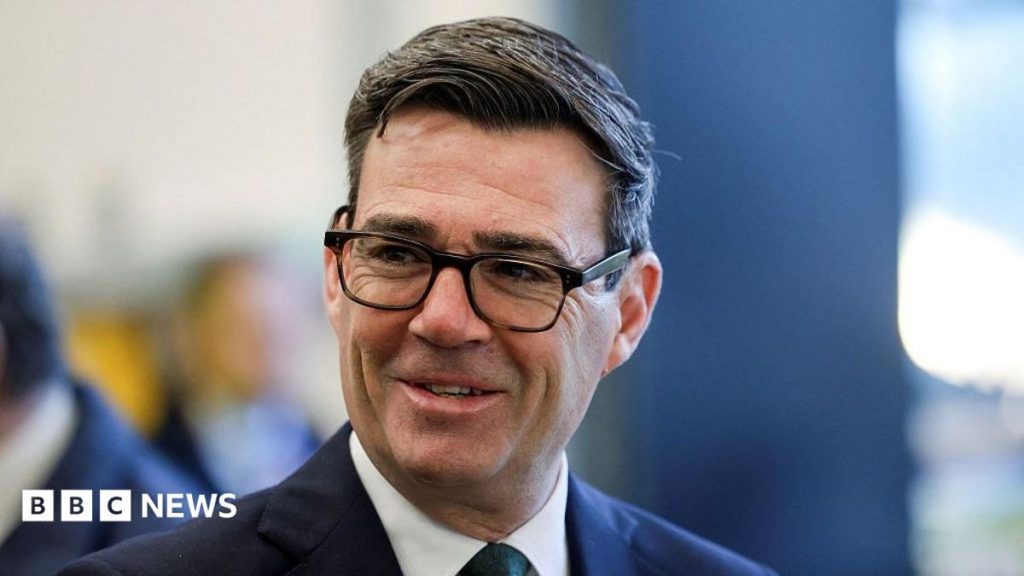
Prime Minister Andy Burnham said he hoped to secure an agreement with the European Union that would benefit both sides and better deliver the outcomes voters had expected from Brexit.
After meeting European leaders in Ireland on Thursday, Burnham said closer ties could reduce costs and support the UK economy, while warning that negotiations might continue until the final stages. The November 20 UK-EU summit is expected to address agreements on food, energy and youth mobility.
Draft texts on food, carbon trading and youth travel
Ahead of the summit, the UK and the EU have agreed a draft deal to remove post-Brexit checks on food and agricultural exports. Similar texts covering emissions trading and a youth travel and work scheme have been circulated to EU member states. The government says the agreement would eventually deliver £5.1 billion in annual benefits to the UK economy.
Asked whether reopening the debate over Britain’s longer-term European relationship had helped the summit negotiations, Burnham said he believed it had. He said he would work to finalize an agreement that could lower consumer prices and business costs and improve economic growth.
Pressed on whether discounted university tuition fees for European students would form part of the package, Burnham said requests were coming from the European side and that Britain was putting its own requests on the table too.
Manifesto limits and an earlier deal
Burnham considers Brexit’s effects to have been negative overall, but has ruled out major changes to the UK’s relationship with the EU before the next general election. He has committed to Labour’s 2024 manifesto, which excluded rejoining the single market or customs union and restoring freedom of movement, while seeking to improve the existing relationship.
Former Prime Minister Sir Keir Starmer reached an agreement in May 2025 covering fishing, trade and other issues. The next summit seeks further changes. Burnham also wants to weigh longer-term options for Britain’s relationship with the EU and told MPs last month that the talks offered an opportunity to address illegal immigration.
Conservative criticism
Conservative politicians have opposed the government’s approach, arguing that closer alignment would reverse gains from leaving the EU. Party leader Kemi Badenoch has rejected moves toward EU rules. Former minister Priti Patel said on Thursday that Burnham’s focus on the bloc could harm Britain’s economy and leave taxpayers bearing the cost.
Other parties set out rival positions
The Liberal Democrats regard the draft agreement as insufficient and favor rejoining the single market and establishing a customs union. Reform UK argues that avoiding EU rules is a benefit of Brexit and warns alignment could constrain trade policy. The Green Party supports rejoining the customs union; leader Zack Polanski has advocated full EU membership.