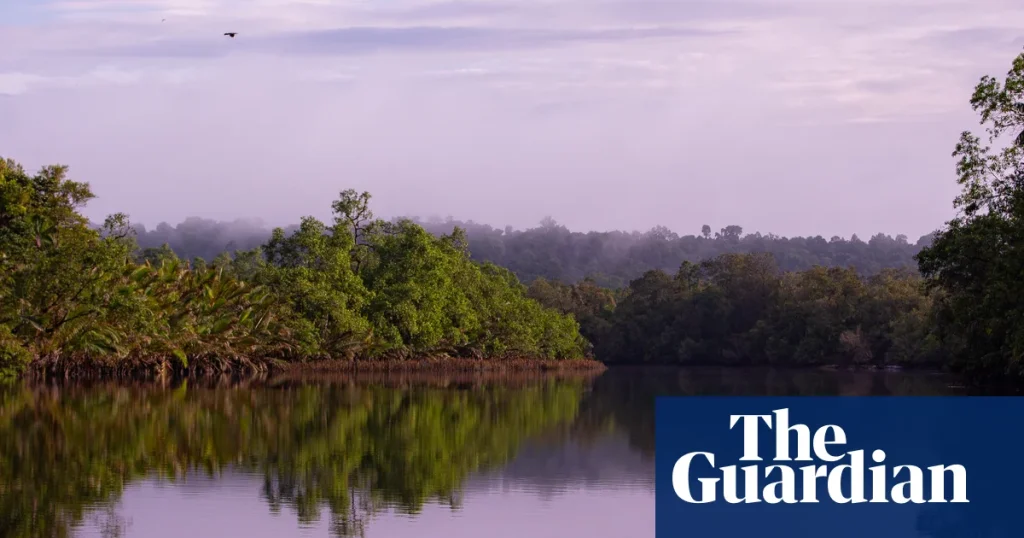
Chi Phat’s community ecotourism project links a 15-kilometer overnight trek through Cambodia’s Cardamom Mountains with river travel, local guiding and a different way of earning a living from the forest. Based in the Koh Kong region, about a six-hour bus journey west of Phnom Penh, the community offers access to a rainforest landscape where conservation work and spiritual traditions overlap.
The route combines stretches of the Preak Piphot River, narrower waterways and forest trails before an overnight stay at a jungle base camp. It is a nine-mile journey into a region known for rare wildlife, recently identified species and one of mainland Southeast Asia’s largest unfragmented rainforest corridors.
From logging and hunting to guiding visitors
Wildlife Alliance founded the Chi Phat ecotourism community in 2007. Its excursions, tours and activities include treks into the Cardamoms with overnight stops in the forest. The project gives residents work that depends on maintaining the landscape rather than extracting timber or hunting its wildlife.
Some of the people involved previously worked as loggers, hunters or poachers. Their transition is illustrated by a forest cook known as Mr. Crab, who is 60. Before working in community tourism, he drove trucks for logging operations, transporting trees out of the area. He now helps feed visitors exploring the forest he once helped exploit.
Another guide, Daro, left a well-paid graphic design career in the city to live closer to nature. The people accompanying the trek also include Chea Singhtararith, known as Rith, a tourist board chaperone, alongside guides from the Chi Phat community. Their roles combine practical knowledge of the route with explanations of local customs and the landscape’s significance.
The community’s shift has developed amid economic and environmental pressures on rural life. Guiding, cooking and organizing excursions provide alternatives for residents whose earlier livelihoods placed them in conflict with conservation. The forest’s value to tourism is tied to keeping its waterways, vegetation and wildlife habitat intact.
A rainforest protected by law and belief
The Cardamoms provide a sanctuary for rare and endangered wildlife, including elusive animals such as forest elephants and dholes, or wild dogs. The region also carries a long human history, from ancient burial grounds to areas used as a stronghold by fleeing Khmer Rouge fighters into the late 1980s.
Protection of the forest has two distinct dimensions. Armed government rangers enforce national park law, while animist traditions give some places a sacred status that discourages interference. Large areas of forest are treated as untouchable, giving wildlife another form of refuge alongside formal conservation measures.
Belief in neak ta, powerful guardian spirits associated with natural places, is woven into Cambodian life alongside Buddhism. These traditions extend beyond the Cardamoms to other important landscapes, including the Tonlé Sap, a river whose flow reverses twice a year and which faces growing pollution pressures.
Along the Preak Piphot, a small shrine called Lok Ta Esey Tmar Andet stands on a stone that appears to float above the water. Its name refers to the Hermitage of the Floating Stone, and local belief associates it with protection of the river. The area is also linked to the White Crocodile, a mythical vision regarded as an omen of death or unavoidable fate.
Rith explains the customs through everyday behavior in the forest. Visitors are told not to use negative language, not to take objects from their surroundings and to ask the spirits’ permission before urinating. The idea that smaller trees have smaller spirits forms part of the explanation.
From the river into the trees
The outward journey begins on the winding Preak Piphot River at dawn, with about two hours of river travel leading toward the walking route. Dense vegetation lines the water, with mangroves and exposed young roots marking the edges. The boat trip carries travelers away from phone coverage and deeper into the forest landscape.
Near the base camp beside the Stung Preat river, the journey switches from motorized boats to narrow rowing boats to limit disturbance to the ecosystem. The quieter stretch passes habitat used by birds, butterflies and monkeys. Kingfishers dart along the water, and the Indo-Chinese chocolate albatross is among the butterflies found in the area.
The walk into the forest begins at about 8 a.m. An initial stretch of roughly two and a half miles leads toward a small river where lunch is prepared. The trail involves stepping around curling roots and climbing over fallen trunks, with humidity making progress demanding even before the longer day’s walking is complete.
Wildlife encounters on the route include a large golden-backed spider, the giant golden orb weaver, whose web catches the light. Yellow-cap mushrooms are another feature of the forest. Mr. Crab collects some for dinner, drawing on local knowledge and describing them through the community’s relationship with the forest spirits.
There is a contrast between the wildlife people hope to see and the less welcome creatures they think about while walking. Alongside the region’s rare mammals and conspicuous spiders, the forest environment brings concerns about snakes, crocodiles and mosquitoes. The journey’s appeal is rooted in entering a living ecosystem rather than a controlled display of animals.
Riverside meals and a night at camp
Food preparation is part of the guided journey. At the riverside lunch stop, Mr. Crab and Daro build a fire, brew Khmer tea and fry chicken to serve with rice. The stop offers a break from the heat before the group continues toward the overnight camp, another two miles along the route.
The campsite occupies a clearing in dense vegetation. Hand-built covered platforms provide sleeping space, while an outdoor kitchen supports meals prepared in the forest. A small bathing pool is fed by a waterfall. The facilities are simple and closely connected to the setting rather than arranged as a conventional hotel stay.
Evening brings the sound of cicadas and a meal by torchlight. A light can be suspended from the roof using a krama, the versatile Khmer scarf. Dinner includes chicken roasted over an open fire and the collected mushrooms fried with garlic. Fruit-flavored rice wine, locally nicknamed Khmer whisky, accompanies the meal.
Rain is a substantial part of the journey’s conditions. Clouds build during the outward walk, and heavy overnight rain can dominate the sound beneath the camp’s tin roof. The contrast between humid walking, riverside stops and the shelter of the camp shapes the rhythm of the overnight route.
Returning to Chi Phat
The final stage winds back toward the community the following morning. Paths widen as the forest opens, and mobile reception returns after the stretches deeper in the trees. The return leg completes a route that joins boating, walking, local food and an overnight forest stay.
Visits are organized with the Chi Phat community, and the Cambodia Tourist Board has also helped facilitate the journey. A five-day package costs about $350 per person and includes treks, guides, food and accommodation. That price relates to the broader package, rather than just the overnight walk.
The project brings together several reasons for visiting the Cardamoms: their ecological importance, their layered history, the continuing role of spiritual traditions and the livelihoods of people who know the forest. Guiding and hosting travelers give those residents a practical stake in conserving the surroundings on which the community’s tourism now depends.