Australia’s world-first ban on social media for children under 16 was supposed to keep kids off Facebook, Instagram, TikTok, Snapchat and other platforms once and for all. Eight months later, the numbers tell a messier story.
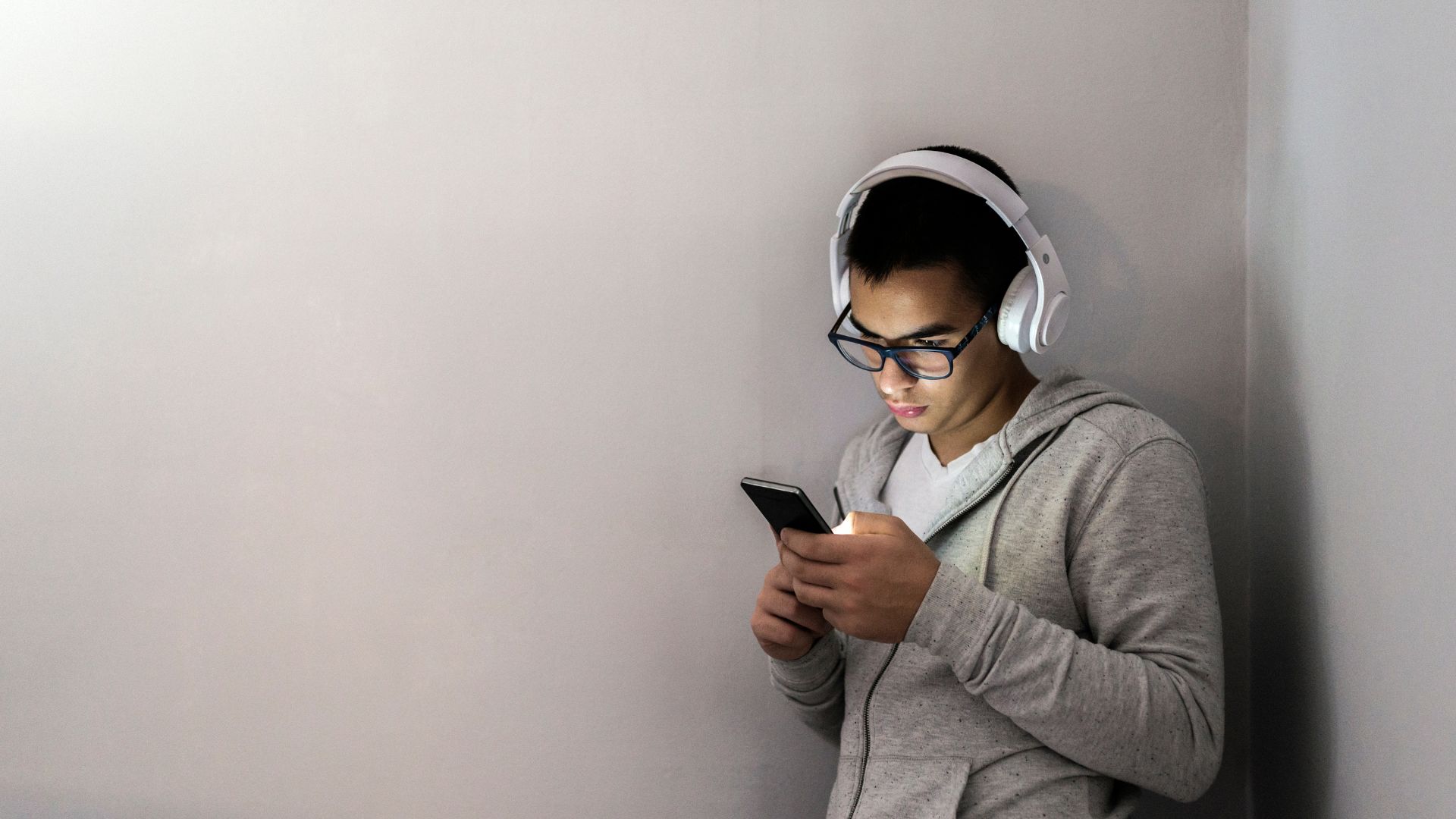
A new report from the eSafety Commissioner, Australia’s online safety regulator, shows that more than eight in ten teenagers between 10 and 15 are still logging in to social media three months after the law took effect. Account ownership has dropped, but daily use has barely moved, raising fresh questions about whether platforms are actually enforcing the age checks they promised regulators they would build.
The findings matter well beyond Australia. Governments across Europe and elsewhere are watching Canberra’s experiment closely as they weigh their own age-restriction laws for social media, and the early results suggest that banning an app on paper is a very different challenge from keeping determined teenagers off it in practice.
What the New Report Actually Found
Australia’s under-16 social media ban came into force on December 10, 2025, requiring nine platforms, Facebook, Instagram, Kick, Reddit, Snapchat, Threads, TikTok, X and YouTube, to block users who have not reached the minimum age. Companies that fail to take reasonable steps to enforce the age limit face fines of up to AUD 49.5 million, or roughly USD 35 million.
Three months on, eSafety’s study paints a picture of a policy that has dented, but not broken, teenagers’ social media habits.
The Headline Numbers
| Metric | Before the ban | Three months after |
|---|---|---|
| Under-16s with a social media account | 52.4% | 42.1% |
| Under-16s who used a platform at all | 85.9% | 81.5% |
| Teens using social media daily | roughly 60% | roughly 58% |
Account ownership fell by a statistically significant margin, with the sharpest declines on YouTube, Snapchat and TikTok. But overall usage barely budged, because many children who no longer have a registered account are still finding their way onto the same platforms through other means.
Why So Many Kids Are Still Getting Through
The core problem, according to eSafety, is age assurance, the technical process platforms use to verify a user’s age before granting access. Most children who had accounts before the ban simply kept them, or opened new ones, because the checks meant to catch them did not work as intended.
Around half of the children who retained access said the platform never checked their age at all. Others said their accounts were already listed as belonging to someone 16 or older, and a smaller group said an automated age-checking system incorrectly judged them to be older than they actually are.
That gap has already triggered scrutiny. Following a preliminary snapshot eSafety published in March, the regulator opened investigations into five platforms, Meta’s Facebook and Instagram, Snapchat, TikTok and Google’s YouTube, over possible non-compliance. eSafety has indicated it expects to reach a decision on enforcement action by the middle of 2026.
A Slow Start on Enforcement
Data reviewed by industry analysts shows enforcement moved unevenly in the law’s opening months. Roughly 4.7 million accounts were affected shortly after the ban began, but only around 310,000 additional accounts were removed or restricted by March, a pace far slower than officials had hoped for.
Why Australia Passed the Ban in the First Place
Lawmakers built the policy around growing evidence that heavy social media use among children is linked to social isolation, disrupted sleep, addictive scrolling patterns and lower self-esteem. The law was framed as a public health measure as much as a technology regulation, aimed at giving children more time away from algorithm-driven feeds during formative years.
What Officials Are Saying
eSafety has been careful to frame the early data as a starting point rather than a verdict. The regulator has said it is still too soon, just three months into the policy, to fully judge whether the ban is meeting its long-term goals.
At the same time, the agency has been blunt about where the shortfall lies. eSafety attributed most retained and newly created accounts to platforms’ failure to implement effective age assurance measures.
Notably, the report also found one encouraging sign for supporters of the law: parental awareness of children’s online habits actually decreased over the same period, a trend regulators are watching closely as they assess whether families are disengaging from monitoring now that a legal ban is technically in place.
What Hasn’t Changed
Perhaps the most striking part of the report is what stayed the same. eSafety found little shift in how children spend their free time, sports, physical activity, music, time with friends and family, and attendance at community events all looked much the same before and after the ban. That undercuts, at least so far, one of the policy’s central hopes: that pulling teenagers off social media would meaningfully redirect their time toward offline activities.
Independent Data Points to the Same Gaps
eSafety’s findings echo earlier independent research. A report from parental-control software maker Qustodio, released in March, found that roughly one in five Australian teenagers under 16 were still using TikTok and Snapchat two months after the ban began, even as usage of both apps declined from pre-ban levels.
Separately, a study commissioned in April by the Molly Rose Foundation, a UK-based charity focused on preventing suicide among children, found that Australian teenagers under 16 continued to maintain access to one or more social media accounts well after the law took effect.
A Test Case the Rest of the World Is Watching
Australia’s ban was designed as a global first, and it is increasingly being treated as a live experiment by regulators elsewhere. A number of European countries are exploring similar age-restriction rules for social media platforms, but so far their approaches remain fragmented, with no consensus yet on enforcement mechanisms, verification technology or minimum ages.
That makes Australia’s early results, imperfect as they are, unusually important. If a well-resourced regulator with legal fining power struggles to fully close the gap between law and practice, other governments drafting comparable social media restrictions will likely need to budget for the same enforcement challenges, particularly around age verification technology that platforms can neither easily fake nor easily dodge.
What Happens Next
eSafety has signaled that its assessment of the ban’s success is still evolving, and the agency’s decision on whether to pursue formal enforcement action against the five platforms under investigation is expected around the middle of 2026. That ruling, alongside further usage data expected later this year, will offer the clearest signal yet on whether Australia’s social media ban can close the gap between the law on paper and how teenagers actually behave online.