Ten days after Dolly Parton died, her younger sister sat down with a cup of coffee and wrote the message the family had been holding back. In a two-slide letter posted to Instagram on Friday, Sept. 4, Stella Parton thanked the fans who offered what she called genuine support, then turned to what has filled her feeds since Aug. 25: a flood of synthetic images, songs and videos of her sister that nobody in the family made or approved. The volume of AI garbage, she wrote, has been difficult to absorb or even ignore.
Stella Parton, 77, is a country singer and songwriter in her own right, and her statement is the most detailed public comment any of Dolly’s siblings has made since the death. Dolly Parton died at 80 in Nashville following a brief battle with cancer, a diagnosis her estate confirmed only after her death. Her nephew, Brian Seaver, delivered the family’s announcement in a video posted to her Instagram account, a task he said his aunt had asked of him years earlier.
The complaint is specific and it is becoming familiar. In the past year, the daughters of Robin Williams and Robert Redford have made near-identical requests, and the pattern now arrives within hours of a famous person’s death rather than weeks. What has changed is not the grief but the speed and volume of the machinery responding to it.
A grieving family versus a synthetic tribute economy
Stella Parton’s letter runs long and covers several distinct points, but the through line is exposure. Because the family has lived publicly, she wrote, they have no choice but to absorb pressure and insensitivity from strangers. She said she walked alongside her sister her entire life and experienced many of the same slights, including through this loss.
She reserved her sharpest language for the accounts monetizing the moment, describing them as being in the business of exploiting the loss and tragedies of others. Her prediction was blunt: once attention fades, those accounts move on to the next stampede of misinformation.
What she asked for
The request at the end of the post was not for takedowns or platform enforcement. It was behavioral. Show more compassion and wisdom, she wrote, and use her sister’s life as an example of tolerance and respect. Then the line that gave the story its headline everywhere: it is not about the most clever comments, fake AI garbage or snarky tweets.
She also offered a small explanation of her sister’s public silence on politics and religion, saying Dolly avoided those subjects because she cared about fans across every line that might have divided them.
What is actually circulating
The material Stella Parton is describing is not one viral fake. It is a category.
| Type of content | Where it spread | Notable detail |
|---|---|---|
| AI image of Dolly Parton without wig or makeup | Instagram, X | Users called it a violation and described it as deeply strange |
| AI image of President Donald Trump arm in arm with Parton | Truth Social | Shared by the president himself |
| “Fan-made tribute” song in Miley Cyrus’s voice | YouTube | Over 1.5 million views; Cyrus was Parton’s goddaughter |
| Tribute tracks in the style of Pink and Celine Dion | YouTube, social platforms | Widely viewed, no involvement from the artists |
| Fabricated hospital thumbnails and donation appeals | YouTube, social platforms | Overlaps with outright fraud rather than tribute |
The labeling gap
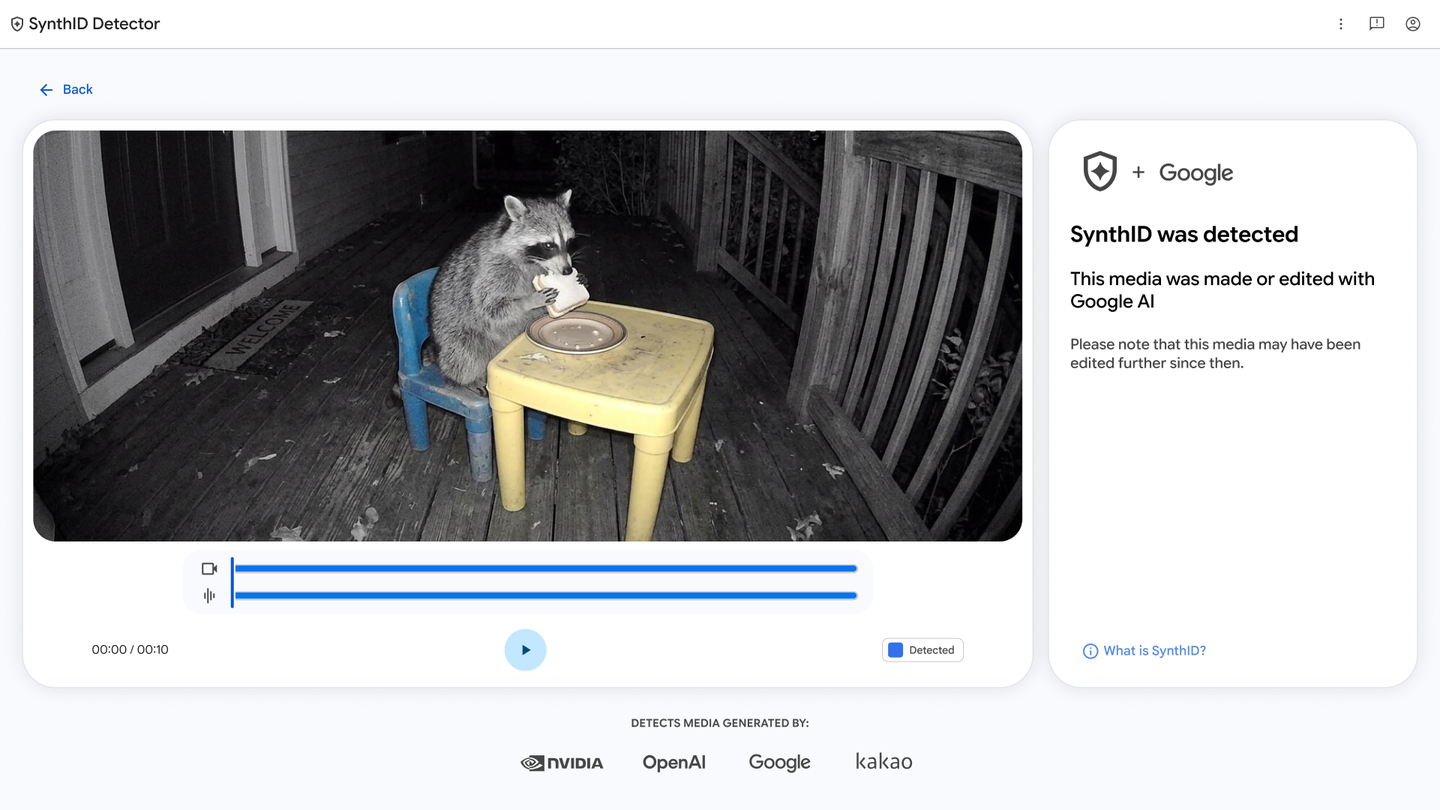
The Miley Cyrus track is the clearest illustration of why disclosure alone is not working. The upload carries an AI label and a description stating plainly that it is not an official release from Cyrus or from Parton’s representatives. Scroll to the comments and viewers are thanking Cyrus by name for a perfect tribute. The label sits above the fold. The emotional response happens below it, and the label loses.
That gap matters for the family’s core objection. A disclosed fake still produces an undisclosed memory. Once a listener believes they heard a goddaughter sing for her godmother, no metadata field undoes it.
Not the first family to make this request
Stella Parton’s post lands in an established sequence, which is part of why it resonated.
| Figure | Family member who spoke out | Roughly when |
|---|---|---|
| Robin Williams | Zelda Williams, daughter | October 2025 |
| Martin Luther King Jr. | Bernice A. King, daughter | Amplified Williams’s plea, October 2025 |
| Robert Redford | Amy Redford, daughter | Following his death in September 2025 |
| Dolly Parton | Stella Parton, sister | Sept. 4, 2026 |
Zelda Williams asked people to stop sending her AI-generated videos of her father. Bernice King reshared that plea with a request of her own to stop. Amy Redford objected to tribute content generated after her father’s death. Each case involved a public figure whose voice or face is well documented enough to be modeled cheaply, and each family member had to make the appeal personally because no mechanism made it on their behalf.
Why the appeals keep coming
Generation is close to free and grief reliably drives engagement. Those two facts together explain the volume better than any argument about intent. Many of the people producing this material describe it as tribute and mean it. Others are running an arbitrage on attention. From the family’s side, both arrive in the same notifications tab and cost the same to read.
What Parton said about AI while she was alive
The irony running underneath this story is that Parton was on record about it. Speaking to The Hollywood Reporter in 2023, she said she expected AI to do real good in fields like science and medicine, but that the prospect of it replacing people frightened her. She reached for religious language, calling it the mark of the beast and saying you cannot remake a person.
What she said she wanted was to leave behind a body of work. She drew the line at the technology being used to replace voices, writing, and, in her phrasing, a human being who belongs to God.
Where this goes next
Nothing in Stella Parton’s post asks a platform for anything, and no legal action has been announced. Tennessee’s ELVIS Act, which took effect in 2024, gives artists and their estates a route to challenge unauthorized voice replicas, and Parton’s estate has not said publicly whether it intends to use it. Until an estate does, appeals like this one remain the main instrument available to families, which is precisely the problem Stella Parton was describing.