
U.S. retail spending rose at its slowest monthly pace in nearly a year in October, as high prices left consumers more selective even while they kept spending, the latest CNBC/NRF Retail Monitor showed.
Total retail spending, on a seasonally adjusted basis, reached $561.7 billion in October, up 0.2% from a month earlier and 3.6% from a year earlier. The monthly growth rate cooled from September and was the lowest since November 2025. Core retail spending, which excludes restaurant spending, rose 0.3% month over month to $454.2 billion and was 3.4% higher than a year earlier. The figures were released Wednesday.
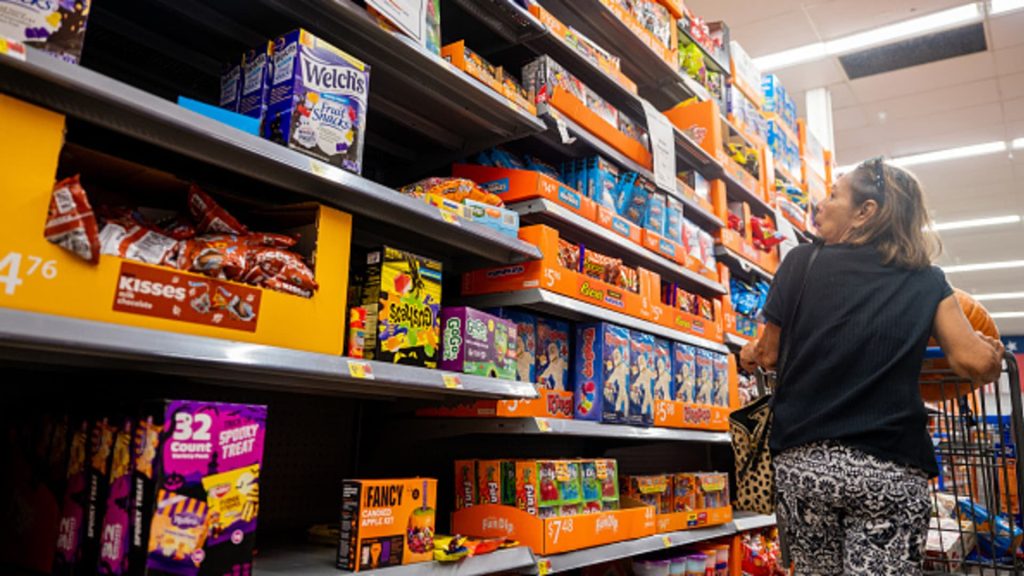
The National Retail Federation said a strong Halloween season and an early start to holiday promotions kept total spending from falling even lower. Its CEO, Matthew Shay, said households were carefully managing budgets and timing purchases around discounts, while retailers used promotions and value pricing to make everyday goods and gifts more affordable.
Spending diverges across retail sectors
Spending rose in nine of 11 sectors year over year, led by electronics and appliances, which increased 9.3% over the 12-month period. Technology companies have raised prices for products ranging from MacBooks to Xboxes as memory chip costs surged during the artificial intelligence boom.
Furniture and home furnishings sales dropped 0.2% in October, likely hurt by a frozen housing market as mortgage rates rose. On a 12-month basis, spending in the category fell 2.6%. Spending on a basket of leisure items including sporting goods, music and bookstores pulled back 0.4% year over year, even though it ticked higher from September to October.
Card data and inflation pressures
The monitor recently expanded to include around 120 million debit and credit cards, making it one of the largest sources of card spending in the country. Its data comes from Affinity Solutions.
The figures offer the latest signal of how higher-than-usual inflation and rising prices are affecting U.S. consumers, whose spending accounts for the bulk of the country’s economic output. The Bureau of Labor Statistics reported Tuesday that the consumer price index rose 0.4% in October, slightly above economists’ forecast.
A National Federation of Independent Business survey released Tuesday found that a net 37% of businesses planned to raise prices over the next three months, the highest share since July 2022, when the U.S. economy was dealing with energy price shocks caused by Russia’s invasion of Ukraine. Inflation and the cost of living were key issues for voters in last week’s midterm election, which produced one of the largest shifts of U.S. political power in recent history.